Showing posts with label performing arts. Show all posts

Thursday, March 1, 2012

The Sitar Diaries


The sound of the Sitar is like a delicate yet strong woman while the sound of the Tabla is like a man. While played together the sound of Tabla always dominates but if you listen to the music you will notice the strength & stability of the Sitar's sound. Just like the woman who will stay at the base and provide the strong foundation to take support & grow on.

At any point of the music there will be that delicate sound of the Sitar. The piece always starts off with the sound of the Sitar & ends with it too. It remains that constant delicate sound in the background. 

If Sitar was a woman, the way you handle the Sitar accurately depicts her mood. You can raise the tempo & it may sound like ecstasy; Raise the tempo keeping the base low, and it will sound like fury; Play it slowly, just lightly touching it, it will bring you peace & calm; Play it flat & it will sound like sadness; Gradually raise the tempo with spaced out touches & it sounds like fear. 

Always listen to the sound of the Sitar in the background. It usually depicts the honesty of the mind. If you catch the pulse of the Sitar, you will lose yourself in someone else's life; you will feel ecstasy, fear, sadness, peace, fury- all of this in the few notes from start to finish.

All in a block of wood.


Tuesday, December 6, 2011

The Virgin Prize

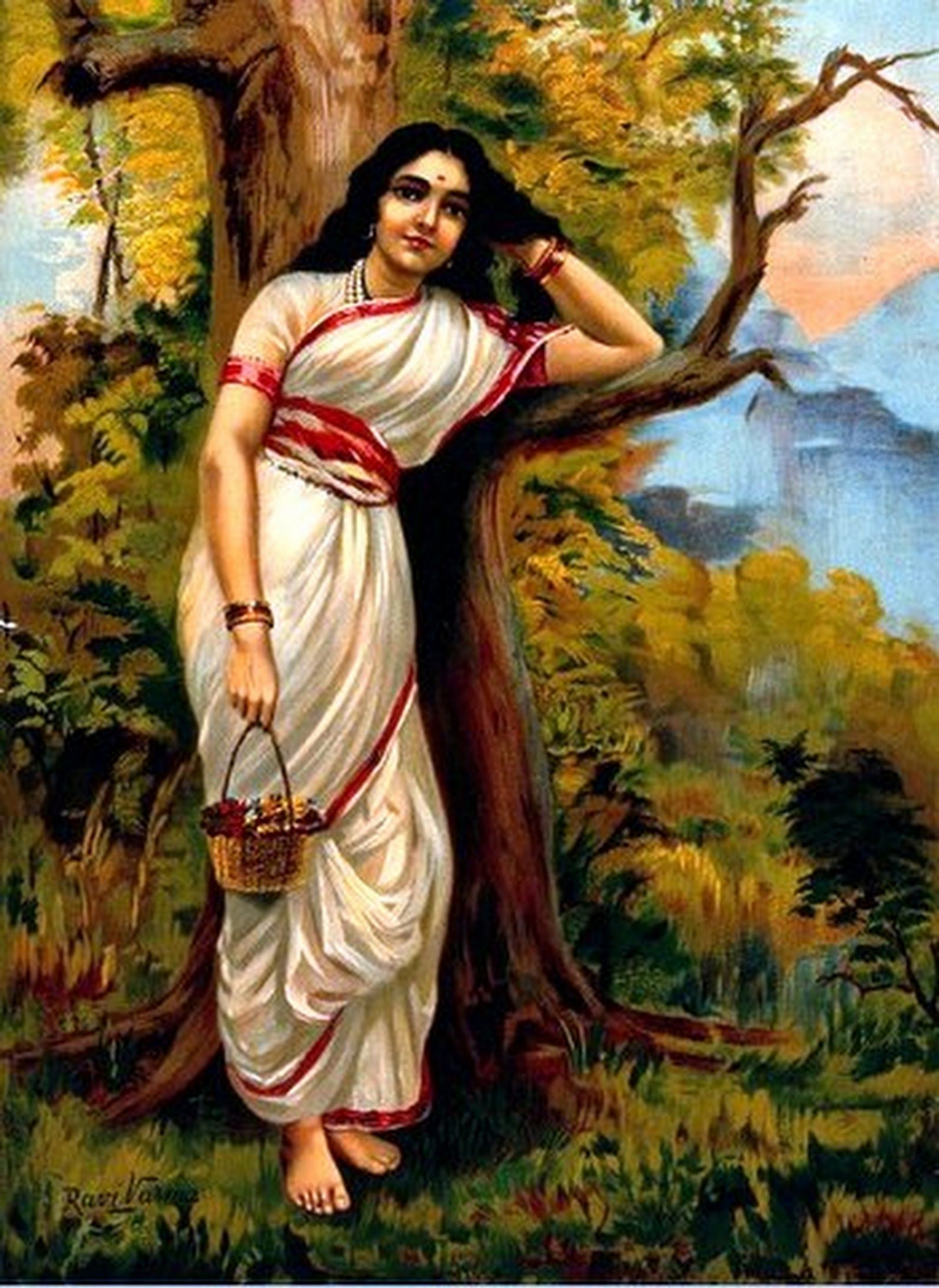
My friend Vyshnavi Sainath is a fantastic dancer with dance in her genes, thanks to her internationally renowned mother, Rajeshwari Sainath. Today I went for a dance ballet held at Ravindra Bharati by a womens' support organization that was choreographed by & featured the mother-daughter duo. Titled "Ahalya", the ballet told the story of the Bramha-made, Goutama-cursed & Ram-rescued pathivratha- Ahalya. 

Ahalya (also known as Ahilya) was the epitome of a woman created by Bramha who wanted to make a perfect woman symbolizing purity, intelligence & beauty. Impeccable beauty. He made her such that every bit of her would drip with beauty. Bramha put Ahalya in the care of sage Goutama until she reached marriageable age & the sage become a mother, a father & teacher to her. He handed her back to Bramha, as pure as she was when she was given under his care. Then Bramha put forth the proposal that whomsoever can circle the earth thrice will win Ahalya as his bride. Indra, the egotistical King of Gods believed that beauty such as Ahalya was only made for him & he had the natural right to her. However, because she was the epitome of chaste womanhood, he agreed to Bramha's proposal & circled the earth thrice. In the meanwhile, Goutama in his morning holy rituals, had thrice circled a cow while it was giving birth to a calf. And that is the highest act of morality, making Goutama the winner of Ahalya.


Ahalya had to now accept him as a husband while Goutama always saw her with a veil of suspicion even though it was Indra eyeing her & not the other way round. "It's not easy to enact marriage, constantly dancing on a razor edge". One day when Goutama was off doing his daily chores, Indra, not able to control his lust anymore, seduced her disguised as Goutama. When Goutama discovered this act of 'impurity', he castrated Indra & turned Ahalya into stone. Indra pleaded with his brother to reverse the curse & his brother gave him the testicles from an ox & thousand eyes (he became famous as the thousand eyed Indra). "The wrong was rewarded." But Ahalya remained a stone, cut off from humanity for years until Ram brushed his feet against a stone & then the curse was broken. 

   So the moral of the ballet was 
  1. Men were lustful beings
  2. Purity is virginity
  3. Even if people are in the wrong, they're still rewarded (Remember how Indra got an ox's testicles)
  4. Even if women are loyal, responsible, pure in dharm & karm, everything is overridden the day another man enforces himself on her
  5. Wife will always happily take her husband's decisions because she has committed to love him
 I wanted to quote some of the dialogues from the ballet but unfortunately my memory won't allow it. The dialogues were beautiful & it gracefully articulated Ahalya's story. I will try to get my hands on them for you. And this post lays the perfect foundation for the next series of my posts.


*The story written here has its sources in the dance ballet 'Ahalya' & various internet sources